
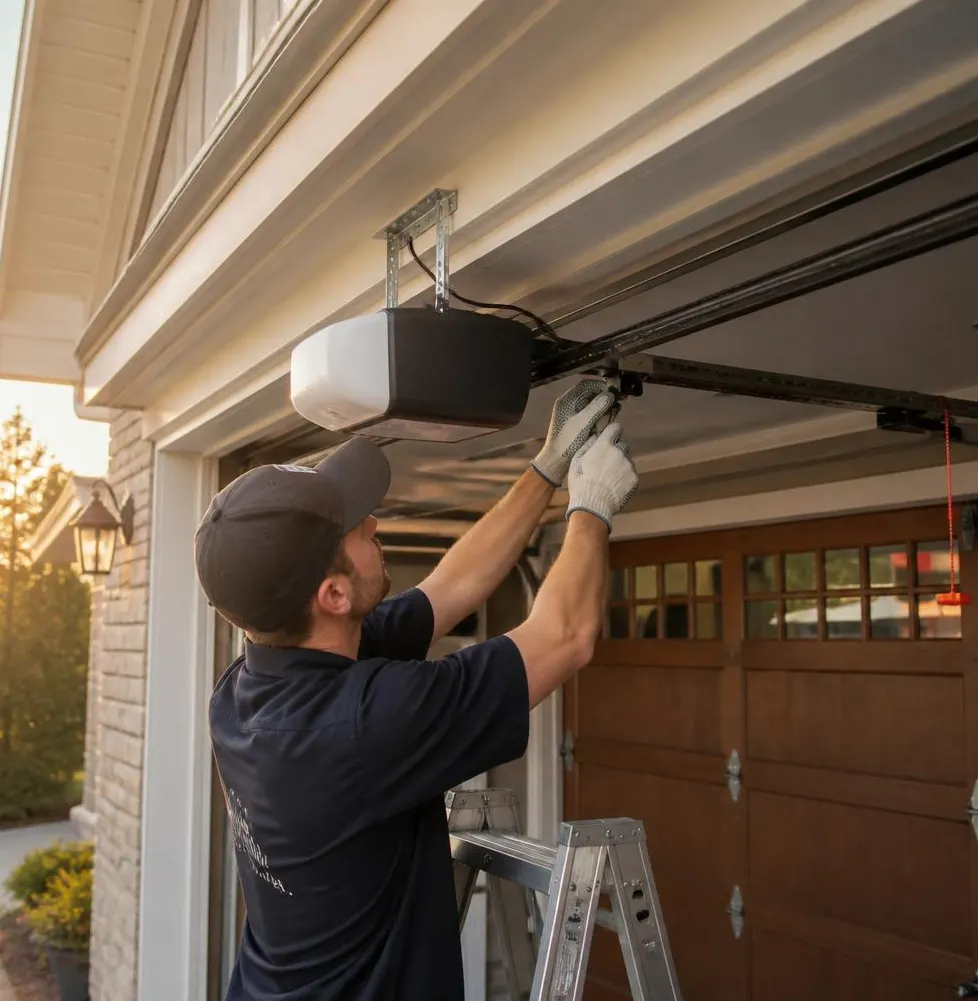
Skip garage door maintenance this time of year and you're not risking a snowed-in driveway — you're risking a spring that finally gives out the week before Thanksgiving, or a track so corroded from months of humidity that the door jams with a car still inside the garage. In Lake Helen, the cost of ignoring winter prep usually shows up as a locked-out morning or a repair bill that could have been a $20 tube of lubricant three months earlier.
Why Florida Winters Still Wear Down a Garage Door
There's no snow or ice here, but that doesn't mean your garage door gets a break. After months of hurricane-season humidity, salt-laden air, and afternoon downpours, metal components are often coated in a fine layer of moisture and grit that sets the stage for rust once drier, cooler air moves in. The temperature swings between warm days and chilly nights in late fall and winter cause metal parts to expand and contract, which can loosen hardware and reveal wear that the summer heat was masking. If you're near the coast or get salt air carried inland, this is the season that corrosion really takes hold.
Check for Storm Season Damage You Might Have Missed
Before you think about winter, make sure you've closed the book on hurricane season. Walk the outside and inside of your door and look for:
- Small dents or bowing in panels that didn't seem urgent during storm season but have since worsened
- Hairline cracks near hinges or at panel seams, which widen as temperatures fluctuate
- Rust spots on tracks, rollers, or the bottom panel where water pooled during downpours
- A door that looks slightly off-track or doesn't sit flush when closed — often from wind load stress that didn't cause a full failure, just a slow misalignment
Catching these now, while the weather is mild and dry, is far easier than dealing with them during the next wind event.
Lubricate Before Rust Sets In
Months of humidity leave springs, hinges, and rollers vulnerable to rust once the air dries out. A simple fix: clean off any surface grime with a dry cloth, then apply a silicone-based or lithium-based garage door lubricant to the springs, hinges, rollers, and the track itself. Avoid WD-40 as a long-term lubricant — it's a solvent that displaces water short-term but evaporates quickly and doesn't protect against rust the way a proper garage door lubricant does. Do this now, and again in a couple of months, and you'll head off most of the rust-related stiffness that shows up as a loud, grinding door by January.
Reseal and Check Weatherstripping
Even in a mild Florida winter, cooler nights mean gaps around the bottom seal and side weatherstripping let in drafts, moisture, and small pests looking for a warm, dry spot. Swollen wood panels from a humid wet season sometimes shrink back as the air dries, which can leave new gaps that weren't there in August. Run your hand along the bottom seal and side trim for cracks, gaps, or sections that have pulled away from the frame. Replacing worn weatherstripping is inexpensive (national ranges typically run $20–$75 for materials depending on door size) and keeps both moisture and drafts out of a garage that may double as a workshop or storage space.
Test Spring and Cable Tension
Springs that have been under constant humidity and heat stress all year often reveal cracks or fraying as the weather cools and metal contracts. A door that seems heavier than usual when lifted manually, or one that closes unevenly with one side dropping faster than the other, is telling you the springs or cables are losing tension. This isn't a DIY adjustment — torsion springs are under serious tension and can cause injury if mishandled. But noticing the symptom now, before it becomes a snapped spring and a door that won't budge, is something every homeowner can do from the driveway.
Give the Opener and Sensors a Once-Over
Humidity and condensation can affect the photo-eye sensors near the bottom of the tracks, causing the door to reverse unexpectedly or refuse to close. Wipe the sensor lenses clean, make sure they're properly aligned (the indicator lights should be solid, not blinking), and test the auto-reverse safety feature by placing an object in the door's path. With holiday guests, deliveries, and more frequent door use coming up, this is also a good time to replace opener remote batteries and confirm the keypad still works reliably.
When to Call Lake Helen Garage Door Repair
If your inspection turns up a spring that looks stretched or discolored, a door that's visibly off track, or rust that's spread past the surface into the moving parts, it's time to call in a technician rather than push through it yourself. Our team handles Garage Door Spring Repair and Off Track Door Repair throughout Lake Helen, DeLand, Orange City, Deltona, and the rest of Volusia County, and we can usually diagnose and fix these issues same-day. We'll also check your opener's sensor alignment and tension settings as part of a standard visit, so you're not left guessing whether the fix actually solved the problem.
Don't wait for a stuck door on a busy holiday morning. Call Lake Helen Garage Door Repair today and get your garage door winter-ready before the season's temperature swings find the weak spot for you.